ibis Paint
- 4.5
- Rating
- 100.00K
- Installs
- $15.99
- Price
 Analysis by App-foxy
I noticed the appeal of ibis Paint almost immediately: it feels less like a simple sketch pad and more like a compact studio built for people who want to draw seriously on a phone or tablet. That distinction matters. Many art apps are pleasant for a quick doodle, but this one is designed around repeated use, careful editing, and the kind of small adjustments that can turn a rough idea into a finished illustration. I reviewed it as an Art & Design app from ibis inc., and my main question was not whether it could impress me during the first session, but whether it deserved a permanent place in my creative routine.
My short answer is that it can, especially if you already enjoy digital drawing and are willing to learn a busy interface. It is not the easiest tool for someone who only wants to add a filter or make a fast social-media graphic. The attraction comes from control: brushes, layers, selections, color work, and a workflow that rewards patience. The trade-off is that the same depth can make the app feel demanding when I simply want to draw without thinking about settings.
Why the first week feels so rewarding
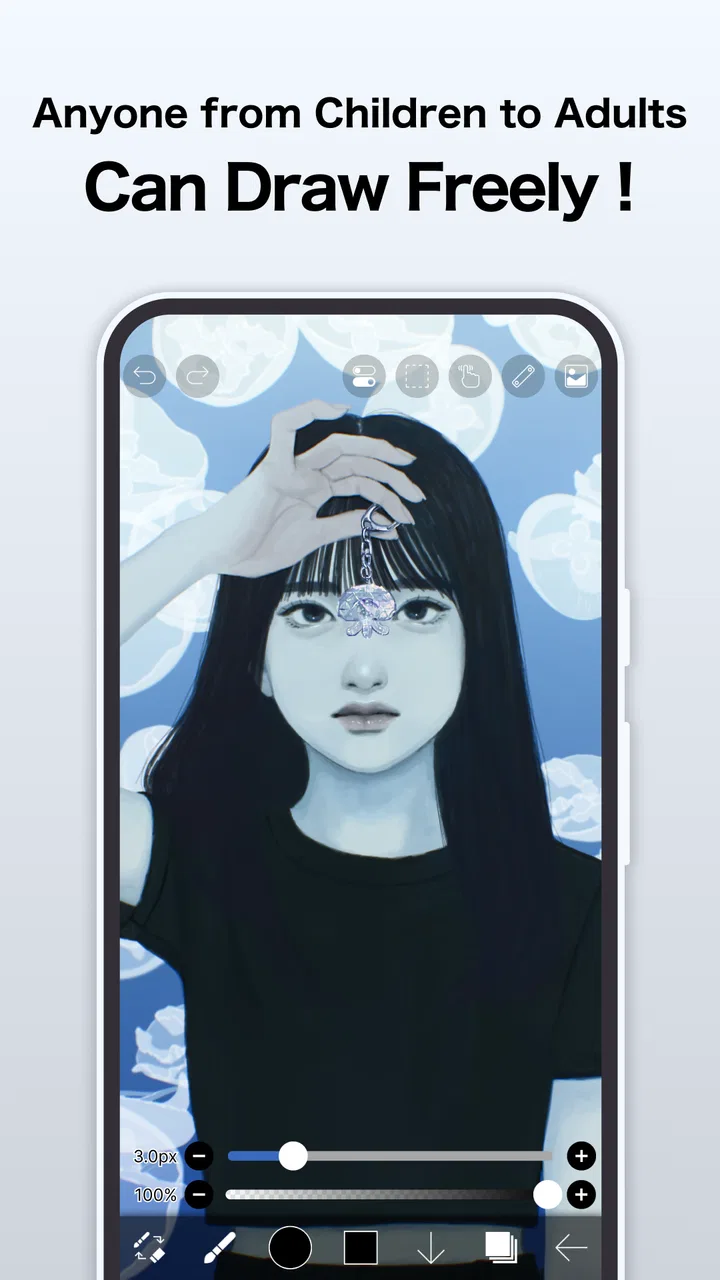
The first week with this app is driven by discovery. I could begin with a blank canvas and start drawing immediately, but the real value appeared when I explored how separate parts of an illustration could be managed independently. A sketch can remain rough while line work is developed elsewhere, and color decisions do not have to destroy the original drawing. That separation changed how confidently I experimented.
You May Also Like

 Blood Strike: 2.5 Anniversary
Blood Strike’s Loadouts Turn Every Drop Into a Tactical Gamble
A close look at Blood Strike’s custom loadouts: how fast access to signature weapons reshapes its battle royale rhythm, rewards preparation, and narrows the gap between fights.

 Pandora - Music & Podcasts
Pandora’s Music Is Easy to Start, but Harder to Recover
Pandora’s strength is its low-effort path from a seed to a station. Its weak spot is how much confidence it asks you to place in connection, setup, and quiet recovery.

 8 Ball Pool
 Is Built on Rivalries, Rematches, and Routine
A close look at the rivalries, rematches, shared routines, and unanswered safety questions that turn a quick pool match into a persistent mobile community.

 Samsung Music
’s Quiet Strength Is Playing What You Already Own
Its reach comes less from spectacle than from dependable access to a personal library. That simplicity is both the app’s strongest retention engine and its ceiling.

 AccuWeather: Weather Radar
AccuWeather Review: A Quick, Clear Forecast for Everyday Decisions
For everyday plans, the best forecast is the one you can understand quickly. AccuWeather makes rain timing, radar, and local conditions easy to act on, with a few trade-offs.

 Hill Climb Racing
Why Hill Climb Racing Still Turns Crashes Into One More Run
A tiny car, a bumpy hill and one more upgrade: Hill Climb Racing keeps resurfacing because its simple chaos makes every near-miss feel personal.
More From Our News Desk



For a beginner, the interface may look crowded at first. There are many controls competing for attention, and the app does not always feel like it is trying to hide its professional ambitions. I recommend spending the first session making a deliberately simple drawing rather than attempting a finished portrait. Test brush size, opacity, erasing, undo, layer order, and selection behavior before investing time in a serious piece. That small orientation period saves frustration later.
One of the strongest early discoveries is how useful layers become in ordinary work. I can keep a loose construction sketch visible while drawing cleaner lines above it, then reduce the sketch’s prominence without permanently changing it. For coloring, I can isolate areas and correct them without repainting the entire illustration. This is more than a familiar digital-art feature; it changes the order in which I make decisions. I can solve composition first, line quality second, and color last.
That workflow is particularly helpful on a small screen. A phone gives me less room for broad gestures, so I often zoom in for details and zoom out to check whether the drawing still reads as a whole. The ability to move between those views makes the app practical for short sessions. I can work on a face during a commute, adjust a background later, and return to a larger edit when I have more time.
The app also suits people who learn by imitation and repetition. I found it useful to keep a reference image nearby while practicing shapes, expressions, clothing folds, or lettering. The important point is not that the software makes those skills automatic; it does not. Instead, it gives me enough control to repeat an exercise, compare versions, and correct specific weaknesses. That makes it a better learning companion than a basic doodling app.
There is a psychological advantage to having a capable tool always available. When an idea appears, I do not need to wait until I am at a desktop computer. A quick thumbnail, color study, or character pose can be captured while the thought is fresh. I would not call every mobile drawing session comfortable, but the lower barrier to starting is valuable. Many creative projects fail because the first step feels inconvenient, and this app removes some of that resistance.
Still, the first-week excitement can be deceptive. Exploring brushes and settings is enjoyable, but collecting options is not the same as developing a workflow. I had to stop changing tools constantly and choose a small working set. A dependable pencil-like brush for sketches, a clean brush for line work, and a few coloring tools were enough for most of my early tests. Limiting myself made the app feel faster and helped me judge the drawing rather than the menu.
The ad-free positioning is also relevant to that first impression. A quiet workspace matters when I am concentrating on line placement, and interruptions can break the rhythm of drawing. However, the store summary makes clear that full access depends on Premium Membership, so the purchase structure deserves attention before anyone commits. The listed price is $15.99, while in-app purchases range from $2.99 to $79.99 per item. I would not treat the initial excitement as a reason to buy immediately; I would first confirm that the available tools match the way I actually draw.
What becomes useful after the novelty fades
By the second or third week, the question changes from “What can this app do?” to “Which parts do I use every time?” My answer centered on repeatable editing rather than flashy experimentation. Layers, undo history, selection work, and controlled coloring kept earning their place because they reduced the cost of mistakes. That is the kind of recurring value I look for in a creative app.
A realistic everyday scenario is a small illustration made in stages. I might sketch a café interior during a short break, clean the main objects later, and add color at home. Keeping those stages separate means I can change the table shape without ruining the lighting study, or revise a character without touching the background. On a computer, this workflow is familiar. On a mobile device, it is impressive that the same basic discipline can be maintained without carrying a full workstation.
Another useful scenario is preparing visual notes. I can draw a rough diagram for a personal project, mark an idea with arrows and color, then refine only the parts that need to be understood by someone else. This is where the app is more flexible than a conventional note-taking tool. It does not force every mark into a neat office-document structure, so visual thinkers can work in a more natural way.
For lettering and decorative work, zooming and repeated correction are more important than having a huge collection of effects. I prefer building a clean result from controlled strokes rather than relying on automatic decoration. The app supports that hands-on approach, although users who want instant typography layouts may find a dedicated design tool more efficient. This is one of the clearest boundaries between ibis Paint and broader graphic-design alternatives.
Compared with a simple sketching app, this one offers a deeper route from rough idea to finished image. Compared with a desktop illustration program, it is easier to open for a short session but less comfortable for large, intricate projects that demand a wide workspace. A tablet narrows that gap, while a phone makes portability the main advantage. I would choose this app over a basic drawing pad when editing flexibility matters, but I would choose a desktop-oriented tool for complex production work that needs extensive file management and a large display.
The app’s audience is broad enough to include beginners, hobby illustrators, students, comic artists, and people practicing digital painting. The Everyone content rating also makes it approachable for a general audience. That does not mean the learning curve is equally gentle for everyone. A child or complete beginner may need guidance, while an experienced artist may appreciate the density of controls but still want a larger canvas and more ergonomic input.
One non-obvious strength is that the app encourages reversible thinking. Instead of trying to make every stroke perfect, I can preserve options and keep testing. That is especially helpful for color decisions. I can try a stronger shadow, compare it with the original, and remove it without treating the experiment as a disaster. Digital art is often less about drawing one perfect line than about creating a safe environment for many imperfect attempts.
A second insight is that organization matters more than brush variety for long-term results. New users often spend time searching for the ideal brush, but I found that a consistent naming habit for projects, a sensible layer order, and frequent pauses to inspect the whole image had a bigger effect on quality. The app gives me the tools to work carefully, but it does not automatically impose discipline. My best results came from simplifying the process rather than expanding it.
The monthly routine and the work it asks from me
After the initial learning period, the app becomes most valuable when it supports a habit. I can use it for daily gesture practice, weekly character studies, occasional finished illustrations, or quick visual planning. It does not demand a single artistic identity. That flexibility is a reason I can imagine keeping it installed month after month.
Its recurring value depends heavily on whether I return to unfinished work. A drawing app can feel essential when it becomes the place where ideas wait safely between sessions. I like being able to revisit a sketch rather than starting from an empty canvas every time. The practical lesson is to create a few reusable personal templates: one for rough studies, one for full illustrations, and one for notes or thumbnails. Templates reduce setup friction and make short sessions more realistic.
Maintenance is mostly behavioral rather than technical. I need to keep projects understandable, avoid creating unnecessary layers, and remember what each layer is for. When I ignore that organization, even a modest drawing becomes harder to edit. A layer named “Layer 12” tells me almost nothing when I return later. Naming important layers by purpose—sketch, ink, base color, shadow, highlights—makes delayed work much less tiring.
I also recommend saving incremental versions of important pieces instead of treating one file as the only copy. This is not glamorous advice, but it protects the time invested in a drawing. A mobile art workflow can involve accidental taps, difficult selections, and changes that look good while zoomed in but fail at normal size. Keeping earlier stages gives me a way back when an edit goes too far.
The current version is 14.0.11, and the minimum operating-system requirement is Android 7.0. Those details make the app accessible to many older devices, but practical comfort still depends on the screen, input method, and available performance of the device. A finger can work for broad marks, yet precise line art becomes more demanding without a stylus. I would not judge the app solely by whether an older phone can install it; I would judge it by whether the device makes long drawing sessions comfortable.
Premium access is the part I would evaluate most carefully over time. The store summary describes an ad-free version and says Premium Membership is required for all features. That means the lasting cost is not only about downloading the app; it is about deciding whether the complete toolset justifies continued payment or additional purchases. I would test the workflow I actually need before paying for extras. Someone who only makes occasional sketches may be satisfied with less, while a committed illustrator may find the broader access worthwhile.
The developer, ibis inc., has positioned this as a dedicated art tool rather than a general-purpose image editor. That focus is useful because the controls are built around drawing decisions. It also means the app is not the best answer for every visual task. If my goal is a polished promotional layout, fast photo correction, or a simple collage, another category of app may get me there with fewer steps.
Where fatigue begins during regular use
The main source of fatigue is interface density. When I am inspired, the number of tools feels empowering. When I am tired, it feels like administration. Finding the right control, checking which layer is active, and confirming whether a selection is still applied can interrupt the flow. This is not a flaw unique to mobile art, but the smaller display makes it more noticeable than on a desktop.
Precision is another trade-off. Drawing with a finger is convenient but not always expressive, especially for clean curves or repeated fine details. A stylus improves the experience, yet adding hardware changes the meaning of portability. The app can be used casually without accessories, but I would not promise the same comfort for every style of illustration. Artists whose work depends on long, confident strokes may prefer a larger tablet or computer.
There is also a risk of overworking an image. Because corrections are easy, I can keep adjusting a line, color, or shadow long after the drawing has improved enough. The abundance of control sometimes encourages hesitation. I found it helpful to set a stopping point: once the image communicated its main idea and the major errors were fixed, I would export or pause instead of endlessly polishing minor details.
Beginners may feel discouraged if they expect the app to produce professional-looking art quickly. It provides a strong workspace, not artistic skill. Brush choice cannot replace observation, anatomy practice, composition, or color judgment. I would recommend it to a learner who enjoys practice, not to someone looking for an automatic shortcut. The app rewards time invested, and that can be satisfying or frustrating depending on the user’s expectations.
People who dislike subscriptions or layered purchasing should also think carefully. The price information is straightforward enough to notice, but the larger issue is psychological: creative software feels less relaxing when I am constantly wondering whether a desired feature sits behind another payment. If owning a complete tool outright is important to me, I would compare other drawing programs before settling into this one.
Storage and project habits can become a quiet burden as well. Art files accumulate faster than expected, particularly when I keep sketches, alternate color versions, and finished exports. A monthly cleanup routine helps. I would archive work I want to keep, remove obvious duplicates, and maintain a small active list of current projects. This is not a reason to avoid the app, but it is part of making it sustainable rather than chaotic.
One useful fatigue-reduction technique is to separate “practice mode” from “finished work.” In practice mode, I use a simple canvas and accept rough marks. In finished work, I use a clearer layer structure and pause more often to inspect the whole composition. Mixing those mindsets can make every sketch feel like a high-stakes project. The app supports both, but I have to decide which one I am doing before I start.
Who should keep it and who should move on
The average rating of 4.5 from around 12 thousand ratings suggests that the app has found a strong audience, and more than 100 thousand installs show that it is not an obscure experiment. Those figures do not decide the purchase for me, but they fit my experience: this is a serious mobile drawing option with enough depth to become a regular tool. Its value is clearest when I draw often and enjoy controlling the process.
I would recommend it to an aspiring illustrator who wants to practice consistently, a hobby artist who needs more than a basic sketch pad, or a student who wants to develop a portable digital workflow. It is also a good fit for someone who likes refining one image through several stages instead of producing instant results. The ad-free experience can make focused sessions more pleasant, provided the Premium Membership terms fit the user’s budget and expectations.
I would suggest looking elsewhere if I mainly want photo edits, social graphics, automatic design, or a minimal interface with almost no setup. I would also hesitate if I draw only once every few months and do not want to learn layers or manage project files. In those cases, a simpler app may be more enjoyable because it gets out of the way faster.
The age rating of Everyone makes the app broadly approachable, but age suitability should not be confused with simplicity. A younger user can explore it, yet the interface and payment choices may still require adult guidance. For adults, the more important question is whether the app matches the preferred input method. If I dislike drawing on glass or do not own a comfortable stylus, I may appreciate the software’s capabilities without enjoying the physical act of using it.
My lasting verdict is positive, with conditions. The first-week appeal comes from discovering how much control fits into a mobile art workspace. The month-to-month value comes from repeatable workflows: separate sketches from line work, experiment safely with color, and return to unfinished ideas without starting over. The maintenance burden is manageable if I keep layers and projects organized. The sources of fatigue—crowded controls, precision limits, and payment decisions—are real enough that I would not recommend it blindly.
For me, ibis Paint earns lasting space when it is treated as a working studio, not a toy box of brushes. Its best quality is not that it can make drawing look effortless; it is that it gives me room to make decisions, revise them, and build a personal routine. If that sounds like the kind of creative practice I want, I would give it a careful trial and judge it by the work I return to after the novelty disappears. If I only need occasional visual decoration, I would choose something lighter and avoid paying for depth I will never use.
FAQs for ibis Paint
01What is ibis Paint, and what can I use it for?
ibis Paint is a digital drawing and painting app designed for smartphones and tablets. After exploring its tools, I found it suitable for sketches, illustrations, comics, manga, lettering, and basic photo-based artwork. It includes layers, brushes, stabilizers, rulers, selection tools, filters, and time-lapse recording, making it useful for beginners as well as more experienced artists working on Android or iOS devices.
02Is ibis Paint free to download and use?
ibis Paint can generally be downloaded for free, but the free version may include advertisements and limitations compared with the paid experience. Some brushes, materials, or features may require watching advertisements, purchasing an add-on, or subscribing, depending on the version and platform. Before downloading, users should check the current store listing because pricing, available plans, and included features can change.
03Does ibis Paint work well for beginners?
Yes, ibis Paint is approachable for beginners, although its large number of tools can feel overwhelming at first. The interface provides access to brushes, layers, color controls, and editing functions in one workspace, while tutorials and community examples can help new users learn. Beginners may need some practice to understand layer settings, brush customization, clipping, and selection tools.
04Can I use ibis Paint without an internet connection?
Many core drawing functions in ibis Paint can be used offline once the application and necessary resources are installed. You should still expect certain features to require an internet connection, including advertisements, online content, cloud-related functions, sharing, updates, and possibly access to some downloadable materials. It is best to open the app online first and download any brushes or resources you plan to use.
05Does ibis Paint support exporting and sharing finished artwork?
ibis Paint allows users to save and export artwork in common image formats, making it practical for sharing illustrations on social networks, messaging apps, or other services. Projects can also retain editable information such as layers when saved in the app’s supported project format. Export options and resolution may depend on the device, file type, and version, so check settings before finalizing important work.
Pros
- Large brush and material library for varied drawing styles.
- Time-lapse recording helps users review and share their creative process.
- Layer tools support detailed illustrations and non-destructive editing.
- Stabilizer improves line quality for handwriting and precise strokes.
- Community features offer tutorials
- artwork inspiration
- and feedback.
Cons
- Many advanced tools and materials require watching ads or upgrading.
- The interface can feel crowded and overwhelming for first-time users.
- High-resolution projects may use substantial storage and device memory.
- Some features work best with a stylus and are less comfortable by touch.
- Frequent notifications and promotional content may interrupt the workflow.

ibis Paint
Gallery